Explain
We introduce unfamiliar terms before using them in a wider argument. Definitions are written for readers who may be encountering a concept for the first time.
ABOUT THE DESK · 2026
Tymbra is an independent editorial project based at 45 Seolleung-ro, Gangnam-gu, Seoul 06149, Republic of Korea. Solana Unveiled is our long-form compendium for readers who want clear context around distributed systems, software architecture, and the communities that study them.
We publish explanatory material rather than market commentary. Each page is designed to help a reader understand a term, compare a design choice, locate a primary source, and recognize where an interpretation remains open.
Technical subjects are often described through compressed language. A phrase such as “high throughput” can hide questions about ordering, hardware, state, availability, and the assumptions made by different participants. Tymbra expands those questions into readable articles with definitions and source trails.
The publication began as a small reading desk for notes about network design. It developed into a public archive because the same foundational questions recur across documentation, research, developer discussions, and reporting. Our approach is patient, descriptive, and open about uncertainty.
We introduce unfamiliar terms before using them in a wider argument. Definitions are written for readers who may be encountering a concept for the first time.
We show how architecture, operations, development, history, and governance fit together without treating one perspective as the whole subject.
We link to relevant source material and distinguish a documented fact from a useful interpretation or unresolved question.
THE TYMBRA WORKSPACE
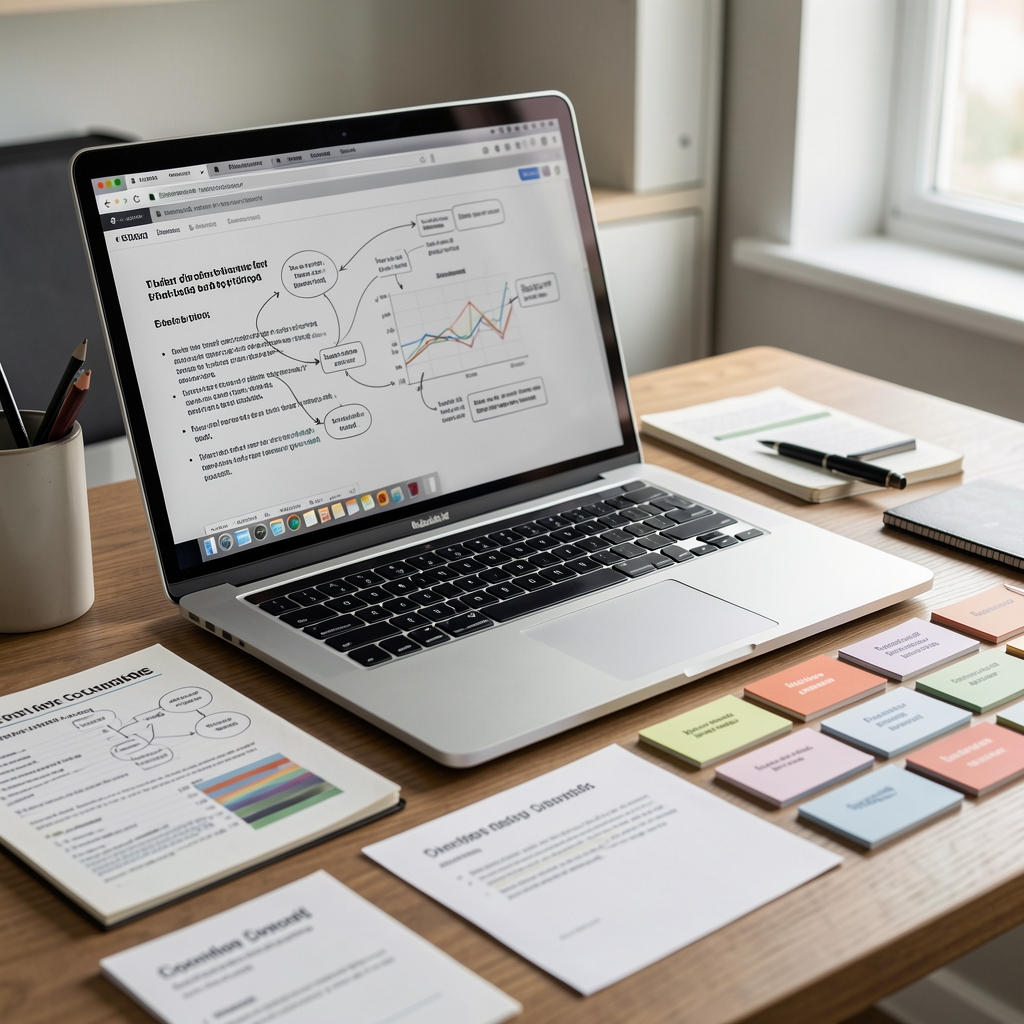
Our editorial workflow starts with a question rather than a conclusion. An editor identifies the scope, checks the terminology, compares several sources, and then drafts an explanation that keeps the boundaries visible.
This method does not remove complexity. It gives complexity a useful shape so readers can continue their own research with more precise questions.
| Editorial area | Typical material | Reader outcome |
|---|---|---|
| Architecture | Accounts, programs, execution, ordering, and state. | A map of the system’s moving parts. |
| Operations | Validators, coordination, fees, and observability. | Vocabulary for reading infrastructure descriptions. |
| Research | Source notes, timelines, comparisons, and open questions. | A route from a summary to deeper documentation. |
| Community | Developer practice, public documentation, and ecosystem context. | A broader view of how technical work is discussed. |
“A useful explainer does not make the reader dependent on the explainer; it gives the reader enough structure to continue independently.”— Tymbra editorial note, 2026
Questions, source suggestions, accessibility feedback, and correction requests are welcome. Write through the contact page or use the published address: 45 Seolleung-ro, Gangnam-gu, Seoul 06149, Republic of Korea. Phone: +82 2-3486-7153.
Open contact detailsEvery route is optional. The archive is arranged to support short visits as well as extended study.
We do not present editorial explanations as recommendations, certifications, forecasts, or instructions tailored to an individual reader. A clear article can improve understanding while still leaving important decisions to the reader, their organization, and appropriate professional advice.
We also do not treat publication frequency, audience size, or technical complexity as proof of reliability. The archive is evaluated through clarity, sourcing, correction practice, and respect for the reader’s time.