NETWORK OPERATIONS · 2026
Validators and Operations
Validators are part of the operational layer that helps a distributed network process, verify, and order activity. Understanding their role requires more than a single definition: readers should also consider software, hardware, connectivity, keys, monitoring, maintenance, and the relationship between participation and responsibility.
This overview is educational and does not recommend operating a particular service. Conditions, software versions, costs, and technical requirements change over time.
What operations involve
| Area | Question | Evidence |
|---|---|---|
| Software | Which version and configuration are active? | Release notes, configuration records, and deployment history. |
| Hardware | Can the machine sustain the expected workload? | Capacity measurements and resource monitoring. |
| Connectivity | Can the service communicate reliably with peers? | Latency, availability, and network observations. |
| Keys | Who can authorize operational actions? | Protected storage, role separation, and access records. |
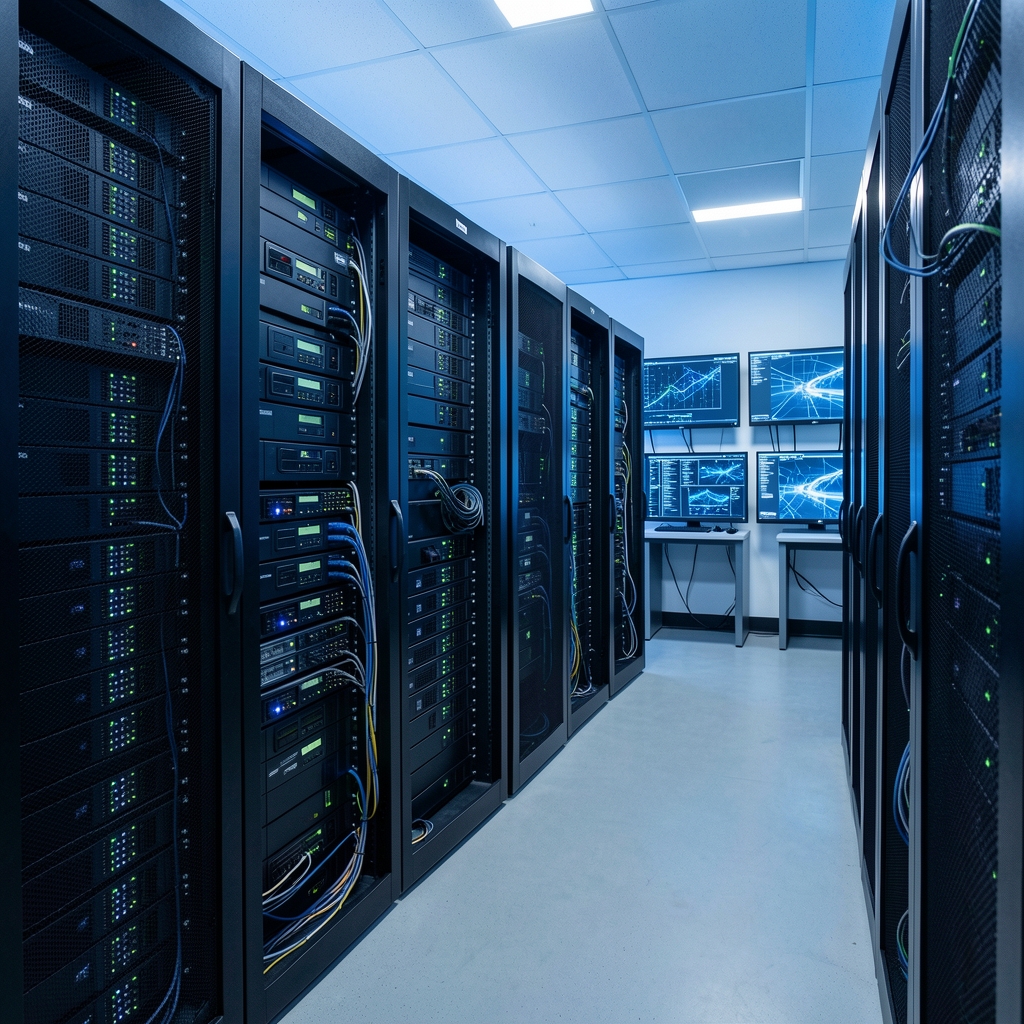
Reliability is a process
Operations teams turn a technical service into an observed and maintained service. They watch expected signals, plan changes, document incidents, and review whether a control still matches the environment.
- Define normal behavior before deciding what is unusual.
- Separate monitoring from the permissions used to change a system.
- Record maintenance so later observations have context.
- Test recovery steps instead of keeping them only in a document.
A maintenance cycle
- Review current versions, dependencies, and configuration.
- Check capacity, connectivity, storage, and alert quality.
- Schedule a change with a stated purpose and rollback path.
- Observe the service after the change and record results.
- Update runbooks and remove temporary access.
“Operational maturity is visible in the records kept between incidents.”— Tymbra operations note
Questions before an operational decision
- What service is being protected and who depends on it?
- Which failure modes have been considered?
- Who can approve, perform, and review the change?
- What information should be retained for later investigation?
- Which assumptions need to be checked against current documentation?
Questions readers often ask
Does running software alone make a machine a validator?
The label depends on the software, configuration, participation model, and network role. Current documentation should define the relevant conditions.
Why do operators monitor more than uptime?
Availability is one signal. Capacity, errors, peer communication, storage, latency, and version state can reveal other operational conditions.
Operational records matter
Runbooks, maintenance notes, alert history, and access reviews provide the context needed to understand a service over time. Without records, a successful outcome can be difficult to distinguish from an unexplained coincidence.
Keep records proportionate to the system and privacy requirements. Remove secrets and unnecessary personal data from logs, and define who may read operational material.
- Timestamp changes consistently.
- Review alert quality after incidents.
- Close temporary permissions when work ends.