FIELD GUIDE · 2026
Start with the map
Solana is easier to understand as a set of connected ideas than as a single headline. This guide introduces the vocabulary and suggests an order for further reading.
Next: architecture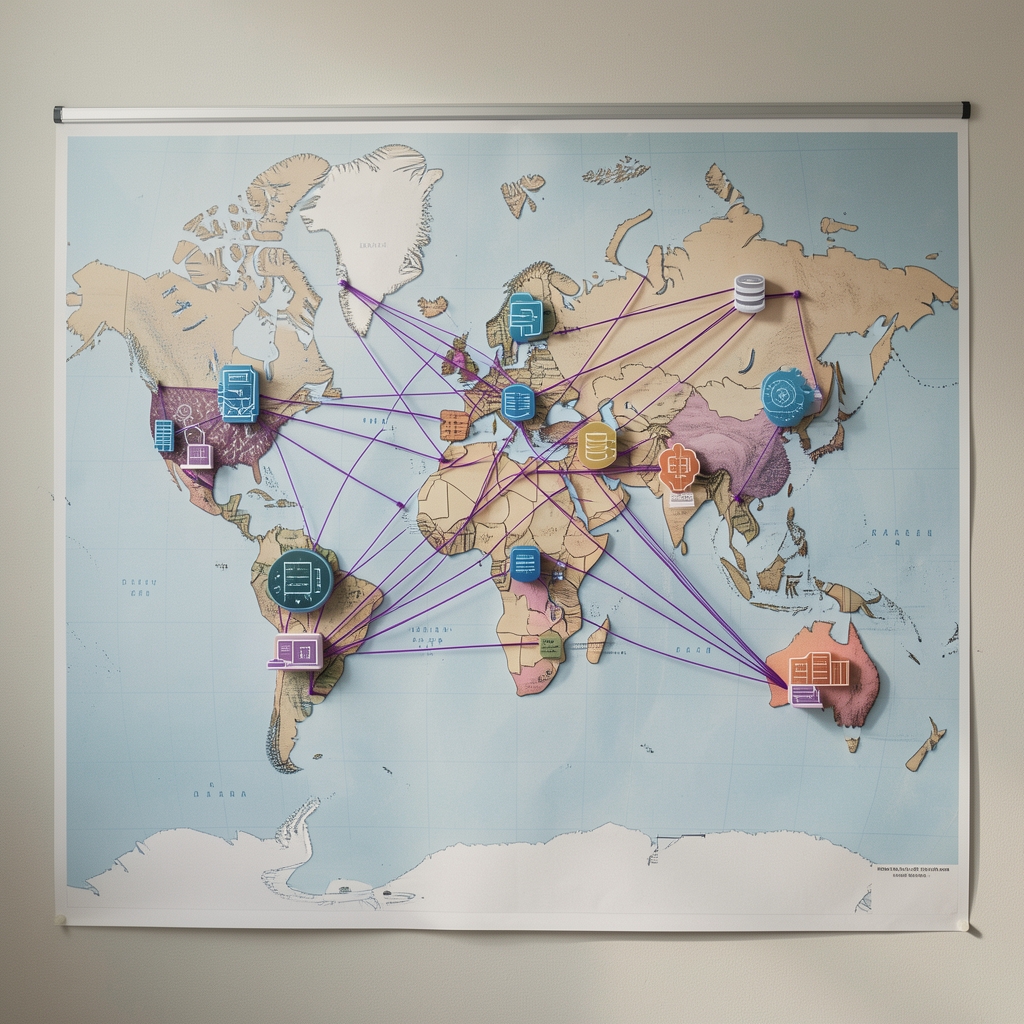
1. Begin with the ledger
A blockchain ledger is a shared record whose updates follow a protocol. The important question is not whether the record is magical, but how computers receive instructions, check them, order them, and communicate the result. Solana can be studied through these ordinary engineering questions.
2. Separate layers
Readers often mix consensus, execution, storage, and applications together. Keeping them apart makes explanations more precise. A validator may help process network activity, while an application presents a focused experience to a person.
A useful reading habit
When a claim sounds broad, ask which layer it describes, what evidence supports it, and which assumptions would change the conclusion.
3. Follow a transaction
Transactions are requests that carry instructions. Their path can involve signing, propagation, scheduling, execution, account changes, and confirmation. The exact experience depends on the tools used to inspect the record.
| Question | Where to look | Why it helps |
|---|---|---|
| Who submitted it? | Signature and account data | Establishes provenance |
| What changed? | Account balances and state | Shows the observable result |
| Which code ran? | Instruction and program data | Provides execution context |
4. Continue with care
The linked guides move from architecture to operations, development, security, and history. None is a substitute for primary documentation. Together they offer a stable vocabulary for asking better questions.
Suggested route
- Read the architecture overview.
- Review the validator and security notes.
- Use the glossary whenever a term is unfamiliar.
- Compare claims with the sources desk.