Primary documentation
Specifications, reference documentation, release notes, and direct technical descriptions help establish how a system is intended to work.
DOCUMENTATION DESK · 2026
Reliable reading begins with knowing where a statement came from, when it was written, what it describes, and what it leaves outside its scope. This desk explains how Tymbra uses documentation, technical papers, public records, and carefully attributed commentary.
A source is not automatically suitable because it is familiar or frequently linked. Its purpose, authorship, date, revision history, technical specificity, and relationship to the claim all matter.
Specifications, reference documentation, release notes, and direct technical descriptions help establish how a system is intended to work.
Research, audits, measurements, and comparative writing can add context, provided methods and limitations are visible.
Dated announcements and archived discussions help explain when a design or vocabulary entered public use.
| Claim type | Useful evidence | Review question |
|---|---|---|
| Mechanics | Current reference documentation or source code. | Does the source describe the version being discussed? |
| Performance | Methodology, measurements, environment, and date. | Can the result be compared fairly? |
| History | Dated primary material and archived records. | Is the later interpretation being mistaken for an original statement? |
| Community practice | Public repositories, discussions, and contributor records. | Is the sample broad enough for the conclusion? |
“A citation is an invitation to inspect the reasoning, not a decorative mark of authority.”— Tymbra source note
Summaries are useful for orientation, but they compress decisions and qualifications. When a point affects interpretation, readers should open the underlying material and check whether the summary preserves the original boundaries.
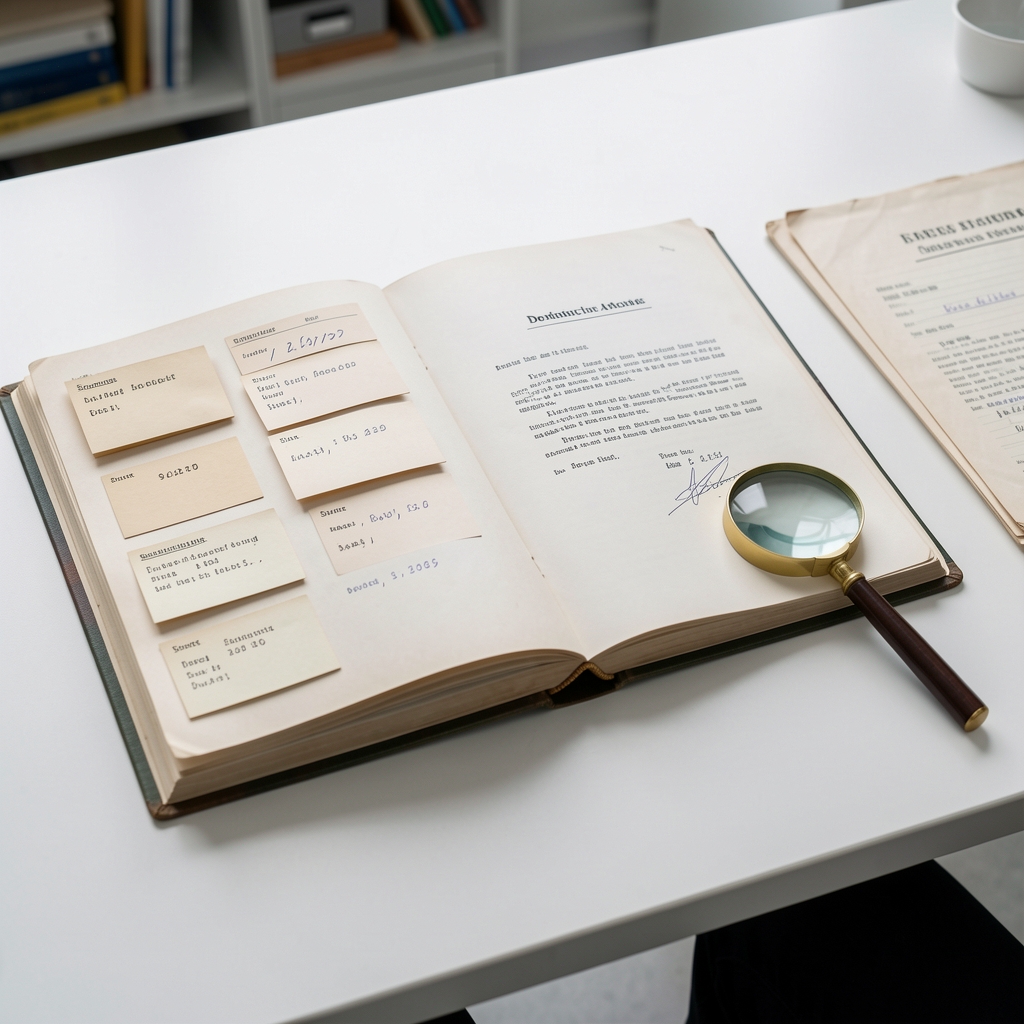
“Dates turn a broad statement into a traceable statement.”Tymbra research note
“A link is most useful when the reader knows why it is present.”Tymbra research note
“Uncertainty belongs in the explanation when it belongs in the evidence.”Tymbra research note
If a page omits a relevant primary document or contains a broken citation, send the title, link, and the passage it relates to. Tymbra is based at 45 Seolleung-ro, Gangnam-gu, Seoul 06149, Republic of Korea; phone +82 2-3486-7153.
Contact the deskNot every source answers every question. A release note may explain a change without measuring its effect, while a measurement may describe an environment without explaining the implementation. Tymbra keeps those roles separate so a reader can see what the evidence actually supports.
When sources disagree, the article should identify the disagreement, compare dates and definitions, and avoid smoothing the difference into a false consensus.