Architecture
See how clients, accounts, programs, validators, and the ledger relate to one another.
Read the architecture guideUPDATED Q1 2026 · EDITION 2026
A digital compendium for readers tracing the systems, people, and design choices behind a high-throughput blockchain.
Tymbra is an independent editorial resource from Seoul. We make technical vocabulary easier to follow through explainers, source notes, histories, and practical context.
Begin with the field guide
Independent editorial resource from Seoul, published by Tymbra.
Move through the subject by asking how the network is built, maintained, interpreted, and documented.
See how clients, accounts, programs, validators, and the ledger relate to one another.
Read the architecture guideExplore consensus, fees, validator responsibilities, and the practical language of infrastructure.
Explore network operationsCompare primary documentation, historical context, and careful interpretations of technical change.
Open research notes
THE READING ROOM
Blockchain writing can compress complicated systems into confident phrases. Our method is more deliberate: define the object, identify the trade-off, and show where uncertainty remains.
Articles separate documented mechanics from interpretation so the archive can serve students, developers, journalists, and curious general readers.
Read the editorial policy| Concept | What it describes | Where to continue |
|---|---|---|
| Validator | A participating machine and operator responsible for network activity. | Operations desk |
| Program | Deployed code that can be invoked by transactions and interact with accounts. | Developer notes |
| Finality | The point at which a record is treated as settled under stated assumptions. | Glossary entry |
A SHORT ORIGIN STORY
“A technical system becomes easier to evaluate when its assumptions are visible, its terms are defined, and its limits are part of the story.”— Tymbra editorial principle, 2026
We invite readers to compare documentation with commentary and to treat every explanation as a starting point for further reading.
Visit the sources deskNo. Tymbra is an educational publication and does not provide investment recommendations, price forecasts, or instructions to buy or sell digital assets.
The material is written for general readers, students, builders, researchers, and journalists looking for a shared technical vocabulary.
Start with the linked primary source, check the date and scope, and distinguish observed mechanics from editorial interpretation.
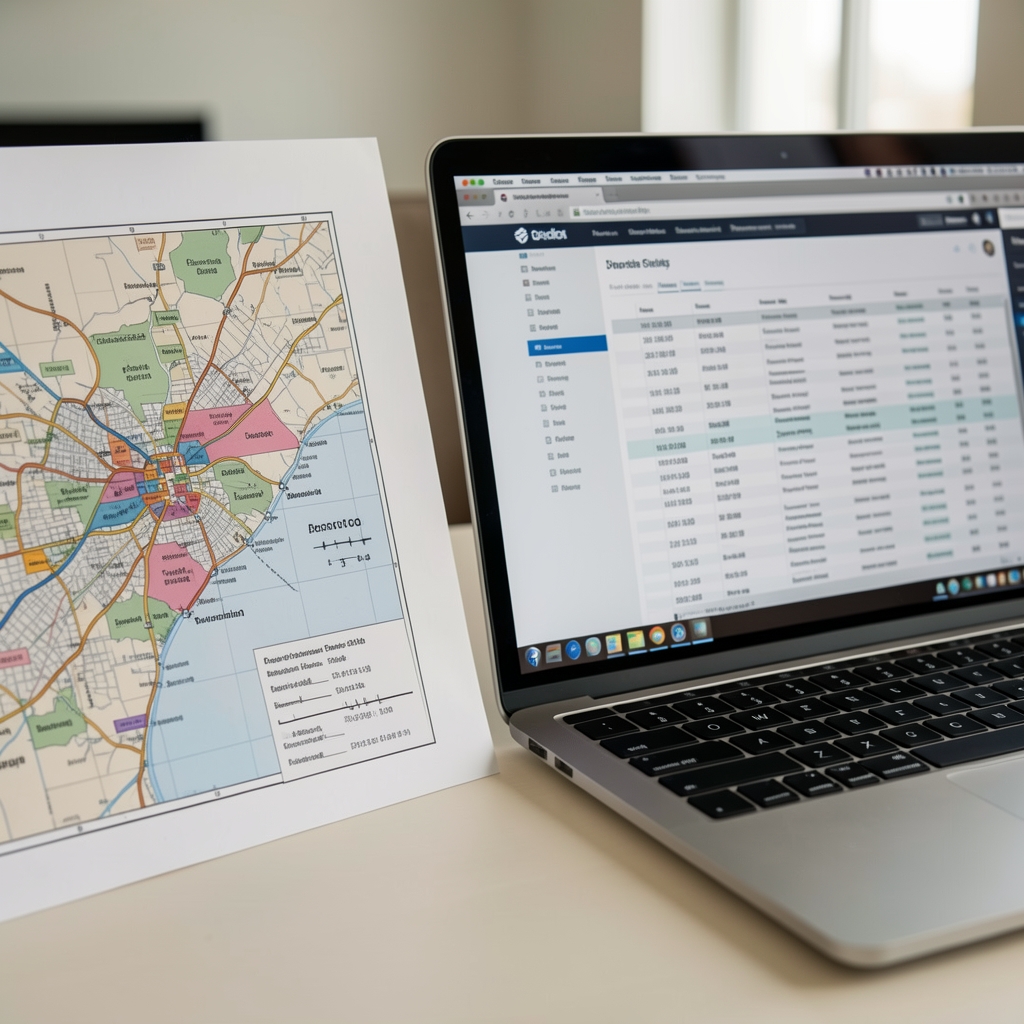
FIELD NOTE · 12 FEB 2026
A concise introduction to the places where instructions are interpreted, ordered, and recorded.
Open field note
PRACTICE · 05 JAN 2026
What a curious reader can inspect before drawing conclusions about an on-chain event.
Explore the method
HISTORY · 28 JAN 2026
Milestones, vocabulary shifts, and the questions that shaped public understanding.
View the timelineA process through which participating computers agree on the order and validity of updates.
A record that can hold data or value and can be referenced by network instructions.
A unit in the ordering model used to describe a possible place for a record or update.
A machine and operator participating in producing or verifying network records.
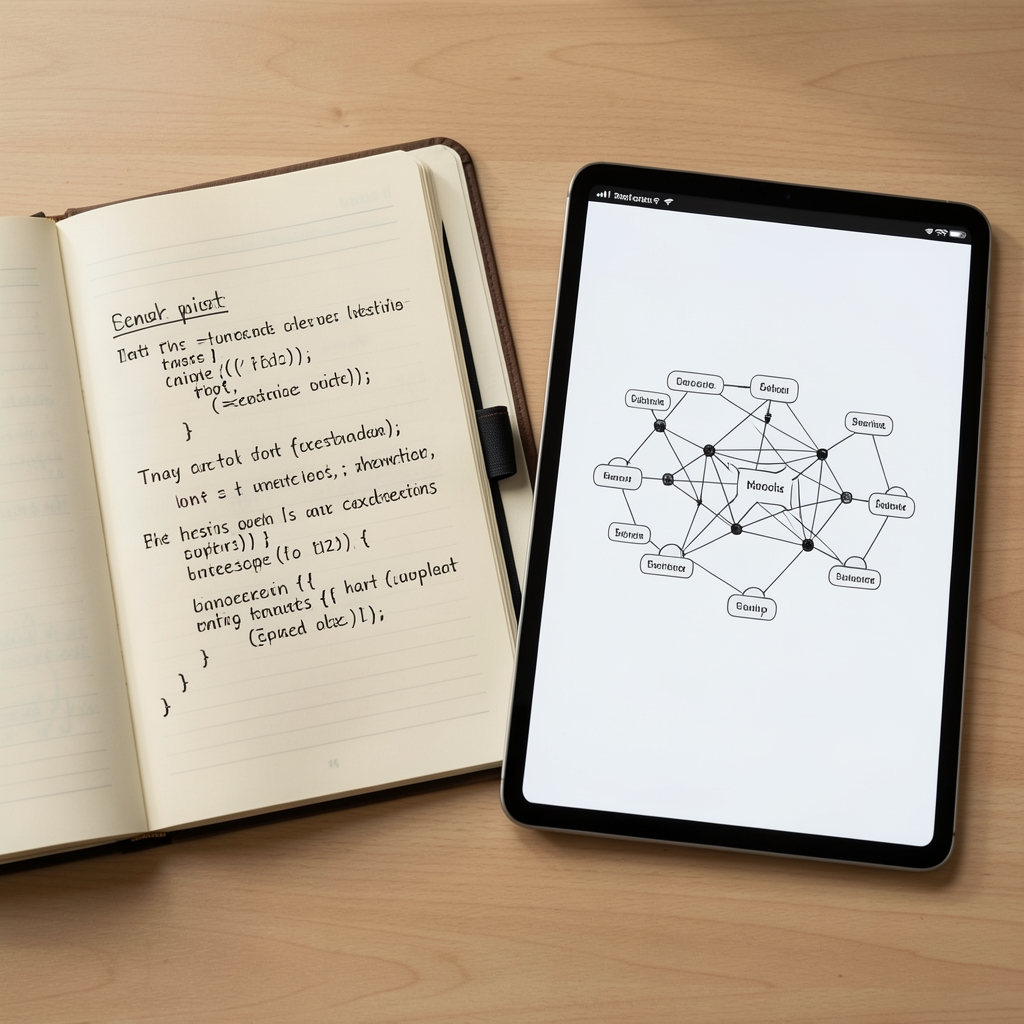



Browse the archive, compare definitions, and contact the desk when a passage needs clarification.
Contact the desk